Dual Fuel Burner
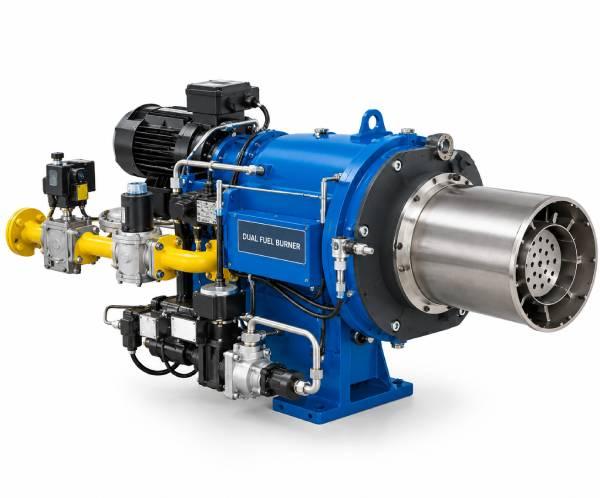
Dual Fuel Burner: Working, Benefits & Industrial Applications A Dual Fuel Burner is an industrial combustion system designed to operate
Dual Fuel Burner: Working, Benefits & Industrial Applications
A Dual Fuel Burner is an industrial combustion system designed to operate using two different fuels, commonly gas and oil. This type of burner provides fuel flexibility and allows industrial heating systems to select a suitable fuel according to operating requirements, fuel availability, and process conditions.
Dual fuel technology is widely used in applications where reliable and continuous heat generation is important. These burners can be found in boilers, furnaces, ovens, dryers, process heaters, and other industrial combustion equipment.
What Is a Dual Fuel Burner?
A Dual Fuel Burner is designed to burn either of two compatible fuels through a controlled combustion process. In many industrial applications, the two fuels are natural gas and oil, although the exact fuel combination depends on the burner design and system requirements.
The burner integrates fuel-control, air-management, ignition, flame-monitoring, and safety components to maintain stable combustion. Depending on the design, the burner may operate on one fuel at a time, with the control system managing the transition between available fuel sources.
How Does a Dual Fuel Burner Work?
The operating sequence of a Dual Fuel Burner is controlled by a burner management or sequence control system. The process generally includes the following stages:
- Pre-purge: The combustion chamber is ventilated using combustion air before ignition.
- Fuel selection: The required fuel is selected according to the operating condition.
- Ignition: The ignition system provides the necessary ignition source.
- Fuel delivery: The selected fuel is supplied through the appropriate control components.
- Air-fuel mixing: Combustion air and fuel are mixed in the required proportion.
- Flame establishment: The fuel-air mixture is ignited to produce a stable flame.
- Flame monitoring: Flame sensors or detectors continuously monitor flame presence.
- Combustion control: Fuel and air are regulated to maintain the required heat output.
- Safe shutdown: When the heating demand ends or a safety condition occurs, the control system shuts off fuel supply according to the programmed sequence.
The exact operating sequence varies according to burner design, control system, fuel type, and application.
Key Benefits of a Dual Fuel Burner
- Fuel Flexibility: One of the primary advantages of a Dual Fuel Burner is the ability to use two fuel sources. This can provide greater flexibility when fuel availability or operating requirements change.
- Operational Continuity: If one fuel source becomes temporarily unavailable, a suitable dual-fuel configuration may allow the heating system to operate using the alternative fuel, subject to system design and operating conditions.
- Controlled Heat Output: Proper fuel and air management helps the burner maintain a stable flame and deliver controlled thermal energy to the connected heating equipment.
- Industrial Versatility: Dual fuel burners can be configured for different industrial heating applications, making them suitable for boilers, furnaces, ovens, dryers, and process heating systems.
- Reliable Combustion Control: Modern systems can incorporate sequence controllers, flame monitoring devices, pressure switches, fuel valves, actuators, and other control components to support dependable burner operation.
Applications of Dual Fuel Burners
Dual Fuel Burner systems are used across industries where consistent and controlled heat generation is required. Common applications include:
- Industrial boilers
- Steam generation systems
- Process furnaces
- Industrial ovens
- Drying systems
- Hot air generators
- Process heaters
- Textile processing equipment
- Food processing equipment
- Chemical processing systems
- Pharmaceutical manufacturing
- Metal heating applications
- Paint and coating ovens
The correct burner capacity and configuration depend on the required heat output, fuel characteristics, combustion chamber, operating pressure, and process requirements.
Important Components of a Dual Fuel Burner
A dual-fuel combustion system consists of several components that work together to manage fuel supply, ignition, combustion, and safety.
Common components include:
- Gas valves
- Oil pumps
- Solenoid valves
- Fuel regulators
- Pressure switches
- Burner sequence controllers
- Ignition transformers
- Ignition electrodes and cables
- Flame sensors
- Flame detectors
- Air dampers
- Actuators
- Safety shut-off valves
- Fuel filters
The exact components vary according to the burner model and fuel configuration.
Dual Fuel Burner vs. Single Fuel Burner
A single-fuel burner is designed around one primary fuel source, while a dual-fuel system provides the capability to operate with two compatible fuels.
The main distinction is fuel flexibility. A dual-fuel configuration can provide an alternative fuel option where the burner and connected equipment are specifically designed and approved for that operation.
However, choosing a burner should not be based only on the number of available fuels. Capacity, combustion requirements, control system compatibility, fuel pressure, installation conditions, and application requirements should also be considered.
How to Select the Right Dual Fuel Burner
Selecting the appropriate Dual Fuel Burner requires an evaluation of the complete heating system. Important factors include:
- Required burner capacity
- Primary and secondary fuel types
- Fuel pressure and availability
- Combustion chamber dimensions
- Required operating temperature
- Boiler or furnace specifications
- Burner turndown requirements
- Control system compatibility
- Flame monitoring requirements
- Available installation space
- Maintenance and spare-part requirements
Proper sizing and configuration help support efficient and stable combustion.
Maintenance of Dual Fuel Burners
Regular inspection and maintenance are important for maintaining reliable burner performance. Fuel valves, filters, ignition components, flame detectors, pressure switches, actuators, and control devices should be inspected according to the equipment manufacturer’s recommendations.
Maintenance may include:
- Checking fuel-control components
- Inspecting ignition components
- Cleaning and checking flame sensors
- Inspecting fuel filters
- Checking pressure switches
- Verifying actuator operation
- Inspecting electrical connections
- Checking burner control sequences
- Inspecting the combustion air system
Any servicing or adjustment should be performed according to the manufacturer’s instructions and applicable safety requirements.
A Dual Fuel Burner provides a flexible combustion solution for industrial heating systems that require two compatible fuel options. By combining fuel control, combustion air management, ignition, flame monitoring, and safety controls, these burners can support reliable heat generation across boilers, furnaces, ovens, dryers, and process heating equipment.
Selecting the correct burner capacity and configuration, along with maintaining compatible components, is essential for dependable combustion performance and long-term operation.
Get Dual Fuel Burner Solutions from Combustion Mart
Combustion Mart provides industrial burners, burner spare parts, and combustion components for a wide range of heating applications. Explore suitable Dual Fuel Burner solutions and related burner components for your industrial combustion requirements.