Industrial Gas Burner
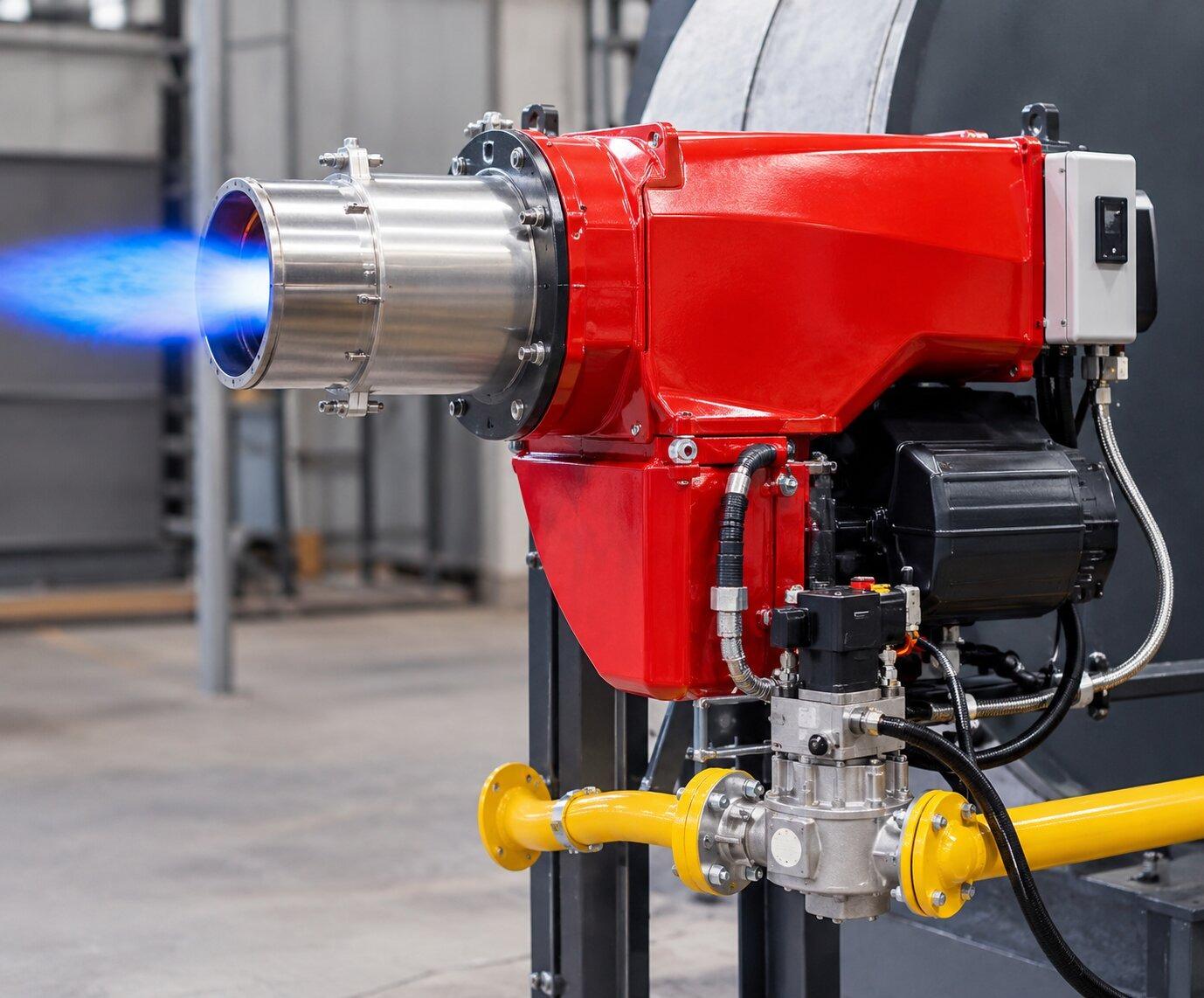
Industrial Gas Burner: Working Principle, Types, Benefits and Applications An industrial gas burner is an essential piece of equipment used
Industrial Gas Burner: Working Principle, Types, Benefits and Applications
An industrial gas burner is an essential piece of equipment used in industrial heating systems to generate controlled heat by burning gaseous fuels. These burners are widely used in manufacturing plants, boilers, furnaces, ovens, dryers, kilns, and other process heating applications. They help industries maintain consistent temperatures, improve combustion efficiency, and support reliable production operations.
Choosing the right industrial gas burner is important for achieving effective heat transfer, reducing unnecessary fuel consumption, and maintaining safe operating conditions. Factors such as fuel type, heat output, combustion control, operating temperature, and application requirements should be considered when selecting a suitable burner.
Combustion Mart provides industrial combustion equipment and burner-related products to support industrial heating requirements across different sectors.
What Is an Industrial Gas Burner?
An industrial gas burner is a combustion device designed to mix gaseous fuel with air and ignite the mixture to produce a controlled flame. The generated heat is used for industrial processes that require consistent and reliable thermal energy.
Industrial gas burners can operate using natural gas, LPG, or other suitable gaseous fuels, depending on the burner design and system specifications. They are available in different configurations to meet the heating requirements of various industrial applications.
Common applications include:
- Industrial boilers and steam generation systems
- Manufacturing furnaces and heat treatment equipment
- Industrial ovens and drying systems
- Textile processing and food production
- Ceramic kilns and metal processing
- Chemical and pharmaceutical manufacturing
Selecting a burner with the correct capacity and control features helps maintain stable combustion and dependable system performance.
How Does an Industrial Gas Burner Work?
The working principle of an industrial gas burner involves controlled fuel supply, air mixing, ignition, flame stabilization, and combustion monitoring.
- Gas Supply: The burner receives gaseous fuel through a suitable gas supply system. Gas valves, filters, pressure regulators, and other compatible components help manage the fuel supply according to system requirements.
- Air and Gas Mixing: The burner combines fuel gas with combustion air in the required proportion. Proper mixing supports efficient combustion and helps reduce incomplete burning.
- Ignition Process: An ignition system, such as an ignition transformer and electrode, generates the spark required to ignite the air-fuel mixture. The ignition sequence depends on the burner design and its control system.
- Flame Formation and Control: Once ignition occurs, the burner produces a flame that supplies heat to the industrial process. The burner may regulate its output according to temperature demand, process conditions, or control signals.
- Flame Monitoring and Safety: A flame sensor or flame detector monitors whether the flame is present. A compatible burner controller or safety control system can initiate a shutdown if a flame failure or another unsafe condition is detected.
Proper installation, commissioning, and maintenance are essential for safe and reliable burner operation.
Types of Industrial Gas Burners
Different industrial processes require different burner designs. Understanding the main types helps businesses select equipment that matches their heating requirements.
- Forced-Draught Gas Burners: Forced-draught burners use a fan or blower to supply combustion air. They are suitable for applications requiring controlled airflow and adjustable heat output, including industrial boilers, furnaces, and ovens.
- Atmospheric Gas Burners: Atmospheric burners use the natural movement of gas and air, often with air drawn into the burner through an injector or similar arrangement. They are used in suitable heating applications where the required operating conditions match the burner design.
- Low-NOx Gas Burners: Low-NOx burners are designed to reduce the formation of nitrogen oxides during combustion. They can be useful for industrial facilities seeking to meet applicable emissions requirements while maintaining the required heating performance.
- High-Temperature Gas Burners: High-temperature burners are designed for processes that require elevated operating temperatures, such as metal treatment, ceramics production, and certain furnace operations. The correct design depends on the process temperature, furnace configuration, and heat distribution requirements.
- Modulating Gas Burners: Modulating burners adjust their firing rate to match changing heat demand within their specified operating range. This helps maintain process temperatures and can reduce unnecessary cycling when the system is properly designed and controlled.
The most suitable burner type depends on fuel availability, heat demand, combustion chamber design, emissions requirements, and the intended industrial process.
Key Benefits of Industrial Gas Burners
Industrial gas burners offer several advantages when selected, installed, and operated correctly.
- Improved Combustion Efficiency: Appropriate burner sizing, air-fuel ratio control, and regular maintenance can support efficient fuel use and consistent heat generation.
- Consistent Temperature Control: Industrial gas burners can be integrated with temperature controllers and combustion management systems to help maintain the required process temperature.
- Clean Combustion: Gas fuels generally produce less particulate matter and ash than many solid fuels. Actual emissions depend on the fuel, burner design, combustion settings, and operating conditions.
- Flexible Industrial Applications: Different burner configurations are available for boilers, furnaces, ovens, dryers, kilns, and various process heating systems.
- Automated Operation: Compatible burner controllers, actuators, flame detectors, and gas safety components can support automated operation and improve process control.
- Reduced Maintenance Requirements: Gas-fired systems avoid some of the ash-handling and residue-management requirements associated with solid fuels. However, regular inspection and servicing remain essential for safe and reliable operation.
Applications of Industrial Gas Burners
Industrial gas burners are used across multiple sectors because of their ability to provide controlled thermal energy.
- Manufacturing Industries: Manufacturing facilities use industrial burners for heating, drying, curing, and other production processes. Suitable burner selection helps maintain the temperature conditions required for product quality.
- Food Processing: Industrial burners supply heat to suitable ovens, dryers, boilers, and other food-processing equipment. The burner and heating system must meet the applicable process and hygiene requirements.
- Textile Industry: Textile plants use gas-fired heating systems for drying, finishing, and other thermal processes. Reliable heat control helps support consistent production conditions.
- Chemical and Pharmaceutical Industries: Industrial gas burners may be used in boilers, thermal processing equipment, and other applications requiring controlled heat. Equipment selection must account for process specifications and relevant safety requirements.
- Ceramics and Metal Processing: Furnaces and kilns use industrial burners to achieve the temperatures needed for firing, heating, and heat treatment. Flame characteristics and heat distribution are important considerations.
- Industrial Boilers: Gas burners are commonly installed in compatible boilers to produce steam or hot water for manufacturing, heating, and process operations.
Essential Components of an Industrial Gas Burner System
A complete industrial burner system may include several components that work together to manage combustion and maintain safe operation.
- Gas valves: Control or isolate the fuel supply according to the system design.
- Gas pressure regulators: Help maintain the required gas pressure.
- Gas filters: Remove suitable contaminants from the gas supply.
- Ignition transformers: Supply the high voltage required for compatible ignition systems.
- Ignition electrodes: Create the spark used to ignite the fuel-air mixture.
- Flame sensors and detectors: Monitor flame presence using the appropriate sensing technology.
- Burner controllers: Manage ignition sequences, operating controls, and safety interlocks.
- Actuators: Adjust compatible valves or dampers to regulate gas flow or combustion air.
- Pressure switches: Monitor pressure conditions and provide switching signals for compatible control systems.
All components must be compatible with the burner model, fuel, operating pressure, electrical requirements, and applicable safety standards.
How to Choose the Right Industrial Gas Burner
Selecting the right industrial gas burner requires a clear understanding of the application and operating environment.
Consider the following factors before purchasing:
- Heating capacity: Determine the required heat output based on process demand and equipment specifications.
- Fuel type: Confirm whether the burner is designed for natural gas, LPG, or another approved gaseous fuel.
- Operating temperature: Select a burner suitable for the required process temperature and combustion chamber design.
- Combustion control: Evaluate whether fixed-rate, staged, or modulating operation is appropriate.
- Energy efficiency: Consider burner performance, air-fuel ratio control, heat transfer, and overall system efficiency.
- Emissions requirements: Check applicable environmental regulations and the burner’s verified emissions performance.
- Safety features: Ensure appropriate flame supervision, gas shut-off arrangements, pressure monitoring, and safety interlocks are provided.
- Spare parts availability: Consider the availability of compatible replacement components and technical support.
Consulting a qualified combustion specialist can help identify equipment that meets process, safety, and performance requirements.
Industrial Gas Burner Maintenance Tips
Regular maintenance helps preserve combustion performance and identify potential problems before they interrupt production.
Recommended maintenance practices include:
- Inspect burner components for wear, damage, and contamination.
- Check ignition electrodes and ignition equipment according to the manufacturer’s instructions.
- Verify flame sensor operation and the correct response of the burner safety controls.
- Inspect gas valves, filters, regulators, and pressure switches for proper operation.
- Check combustion settings and analyze flue gases using appropriate instruments.
- Examine air supply systems, fans, dampers, and ventilation arrangements.
- Replace damaged or worn components with compatible manufacturer-approved parts.
- Schedule periodic servicing and safety checks by qualified technicians.
Maintenance intervals should follow the equipment manufacturer’s recommendations, operating conditions, and applicable regulations. Gas burner systems should never be operated with bypassed safety devices or unresolved fuel leaks.
Why Choose Combustion Mart for Industrial Combustion Products?
Combustion Mart supports industrial heating requirements with combustion equipment and related burner products. Businesses looking for industrial gas burner components and replacement parts can explore suitable product categories for their application.
The right combination of burners, controllers, ignition components, gas valves, flame detectors, pressure switches, and other accessories can help support dependable combustion system operation.
When selecting products, confirm the model number, technical specifications, fuel compatibility, operating pressure, and application requirements to ensure the components are suitable for the intended equipment.
An industrial gas burner plays an important role in providing controlled heat for boilers, furnaces, ovens, dryers, kilns, and other industrial processes. Understanding the working principle, burner types, benefits, essential components, and maintenance requirements helps businesses make informed equipment decisions.
Choosing a suitable burner and maintaining its combustion and safety systems can support reliable production, effective temperature control, and responsible fuel use.
Combustion Mart helps businesses explore industrial combustion equipment and burner-related products for a range of industrial heating applications. Visit Combustion Mart to explore the available product range and identify suitable solutions for your industrial combustion requirements.